

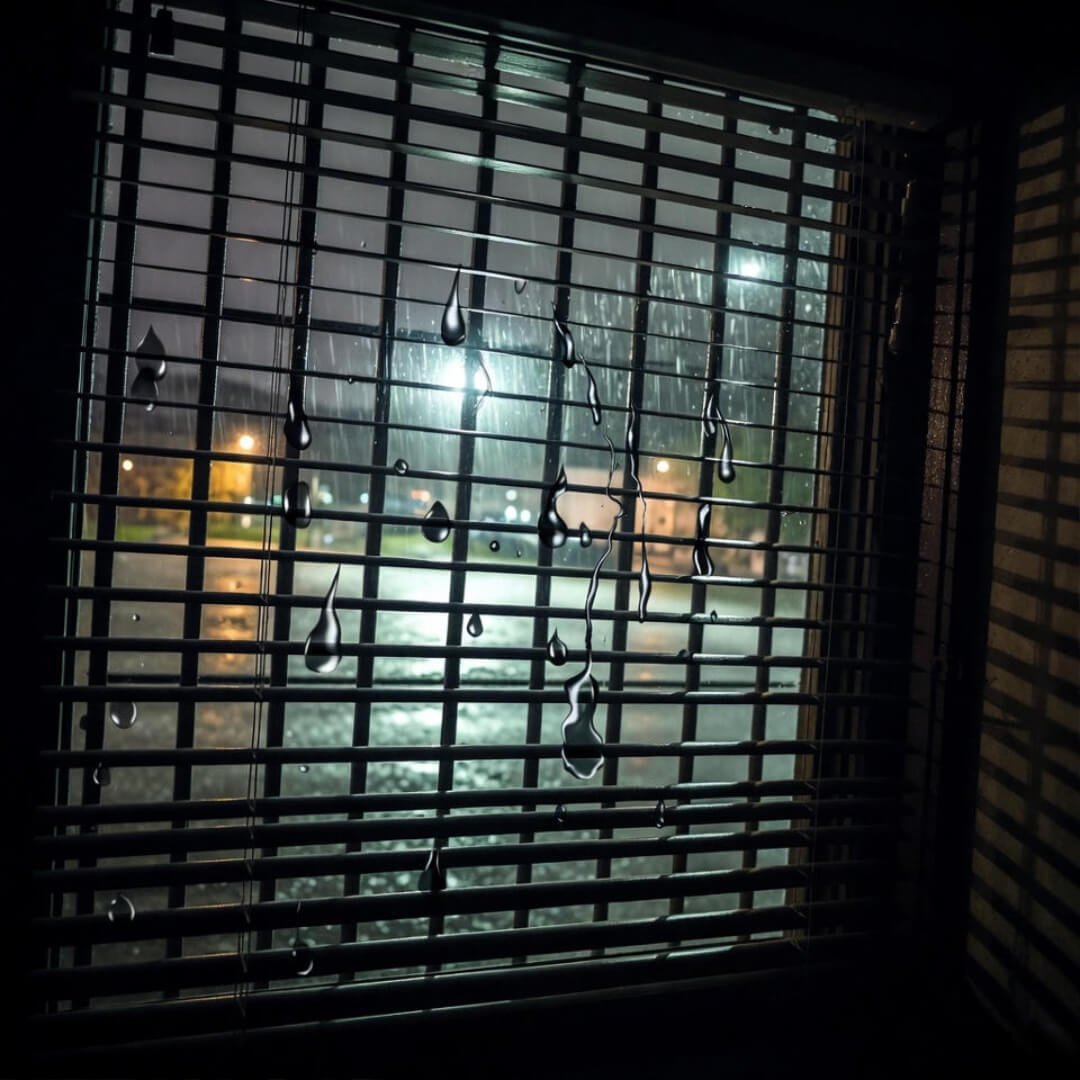


False domestic violence accusations? Yeah, they slammed into my life like a bad hangover you didn’t earn—last spring, I’m chilling in my cramped Brooklyn apartment, bingeing true crime docs (ironic, huh?), when my phone blows up. Ex from two years back, the one who ghosted after I called her out on her drama, suddenly files a report claiming I roughed her up during some phantom argument. Cops show at 6 a.m., badges flashing under the hallway’s shitty fluorescent buzz, and I’m standing there in boxers, heart pounding like a jackhammer, smelling the stale pizza from last night’s pity party.
Sensory overload, man—the metallic tang of fear in my mouth, the way my bare feet stuck to the linoleum like it was glueing me in place. I knew right then, this was bullshit, but damn, false domestic violence accusations don’t care about “knowing”; they drag you through the mud anyway.
Why False Domestic Violence Accusations Feel Like a Gut Punch (And Yeah, Mine Did)
Look, defending against false DV claims isn’t some Law & Order episode where the hero cracks it in 45 minutes—it’s a slog, full of second-guessing every text you ever sent. Me? I replayed that one dumb fight we had over takeout orders, her yelling about my “control freak” vibes when all I wanted was extra sauce. Suddenly, in her twisted retelling to the judge, I’m the villain pinning her against the fridge. Embarrassing as hell to admit, but I cried in the station bathroom, snotty and shaking, wondering if I’d ever shake the “abuser” label. Like, seriously, how do you prove a negative? It’s this raw, unfiltered chaos in your brain— one minute you’re raging at the injustice, next you’re apologizing to ghosts for shit you didn’t do.
Digression: remember that viral TikTok about a guy falsely accused? Wild, right? Anyway, point is, it warps your world—friends ghost you, job interviews get awkward stares. Hit up the National Domestic Violence Hotline for the flip side (thehotline.org), but damn, they need a branch for the accused too.
- First off, the isolation: You’re dodging calls from family who “heard” the rumors, feeling like a leper at your own block party.
- Then the paperwork hell: Affidavits stacking up like unpaid bills, each one a stab at your sanity.
- And don’t get me started on the therapy bills—mine had me journaling like a teen, spilling “what ifs” till my pen cramped.

Navigating False Domestic Violence Accusations: Tips from My Hot Mess of a Trial Run
Alright, let’s get real on defending against false DV claims, ’cause I botched plenty before getting my shit together. Tip one: Lawyer up yesterday—don’t be me, Googling “pro bono DV defense” at 2 a.m. while chugging Red Bull, ending up with some sketchy forum advice that nearly tanked me. I found a solid one through AVVO (avvo.com)—guy looked like a disheveled professor but shredded her story in court. Sensory flashback: the courtroom’s musty wood polish mixing with my clammy sweat, her glaring from the stand like I stole her Netflix password.
My mistake? Waiting too long to gather alibis. Pro tip: Screenshot everything—those “goodnight” texts from the night she claimed assault? Gold. I dug up dashcam footage from my Uber ride home (thank god for nosy drivers), proving I was across town scarfing falafel. Surprising reaction? Relief hit weird, like puking after holding it in too long—ugly but freeing. And yeah, contradictions again: I felt guilty for “winning,” like maybe I deserved some blame. Nah, screw that; false accusations in relationships poison trust, period.
Here’s my no-BS list for navigating false abuse reports:
- Document like a maniac: Texts, emails, witness statements—hell, even that awkward FaceTime with your mom timestamped.
- Therapy, stat: Not just for show; it helped me unpack my rage without exploding at the wrong people.
- Support squad: Lean on online communities (cautiously—Reddit’s r/legaladvice saved my bacon, but vet it: reddit.com/r/legaladvice).
- Self-care hacks: Mine? Blasting old-school hip-hop walks in the rain—clears the head fog better than any pill.
Oh, and learning curve? Steep. I once showed up to a hearing in mismatched socks, mumbling through my testimony like a hungover undergrad. Self-deprecating? Totally. But it humanized me to the jury—turns out, flawed folks fight harder.
The Aftermath of Proving Innocence in Domestic Violence Cases: Chaos Ensues
Whew, post-dismissal? You’d think confetti and beers, but nope—paranoia lingers like that one sock you can’t find. Innocent in domestic violence cases, sure, but the scar tissue? Real. I’m out here now, in this Philly coffee shop (aroma of burnt espresso grounding me, barista’s playlist dropping unexpected Drake bars), rebuilding. Dates ghost when I mention it casually— “Oh, false DV stuff? Pass.” Embarrassing dates, like the one where I overshared over tacos, sauce dripping as I ranted about systemic biases. Run-on alert: Anyway, it’s this devolving mess where one day I’m optimistic, networking at legal aid mixers, next I’m doom-scrolling stats on how 10-20% of DV claims might be bogus (pulled from a NCBI study—deep dive here: ncbi.nlm.nih.gov), questioning everything.
Errors in my rebuild? Plenty—like trusting too quick in the next relationship, flinching at raised voices. But insights? Valuable AF: Empathy’s key, even for the accuser—maybe she was hurting, weaponized pain wrong. Raw honesty: I still check my locks twice, but hey, that’s growth, sorta.

Wrapping This Ramble: Your Turn to Fight Back
Man, false domestic violence accusations wrecked me, but clawing through? Worth it—taught me resilience tastes like cheap diner hashbrowns after a win. If you’re in this hell, breathe, document, and holler for help; you’re not the monster they paint. Drop a comment below—what’s your wildest “what if” in this mess? Or better, reach out to a pro—start with that AVVO search. Let’s chat more; hit me up. Stay real out there.


